Latest posts
-
Washington State climate laws cloning those of California
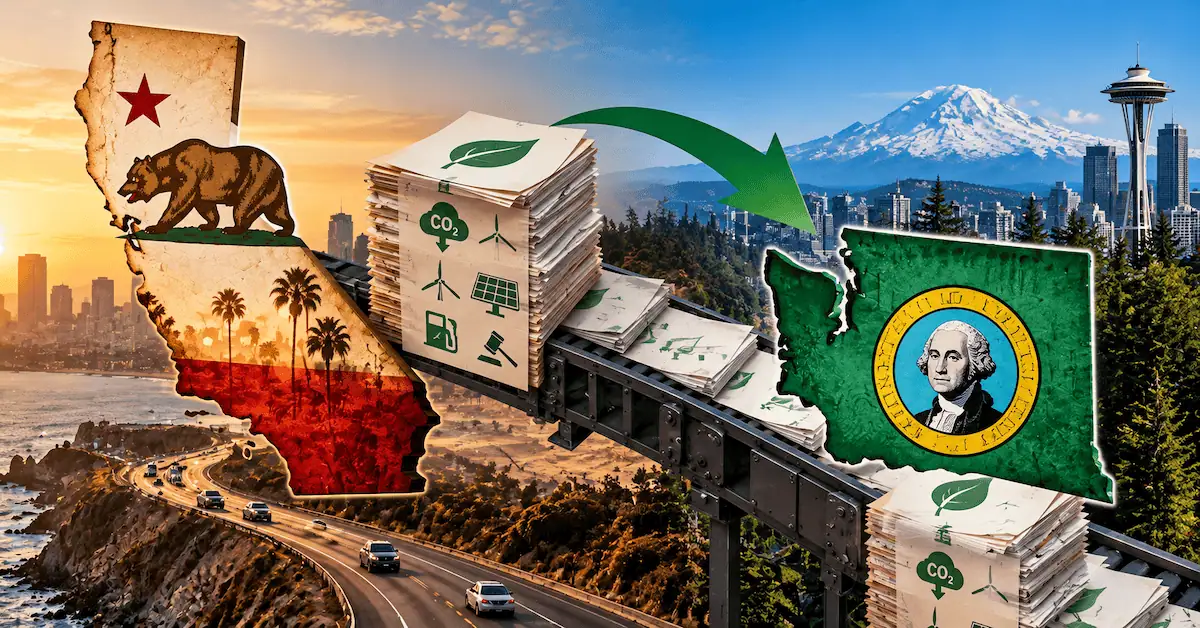
Although 99.9% of the 8 billion people living on Earth do not live in the State of Washington, the state believes 0.1% of that population can change the world’s climate. Washington State climate laws, like those in California, are not based on science; they will not only bankrupt state coffers but will have no effect…
-
California is falling into an unrecoverable deficit of refineries
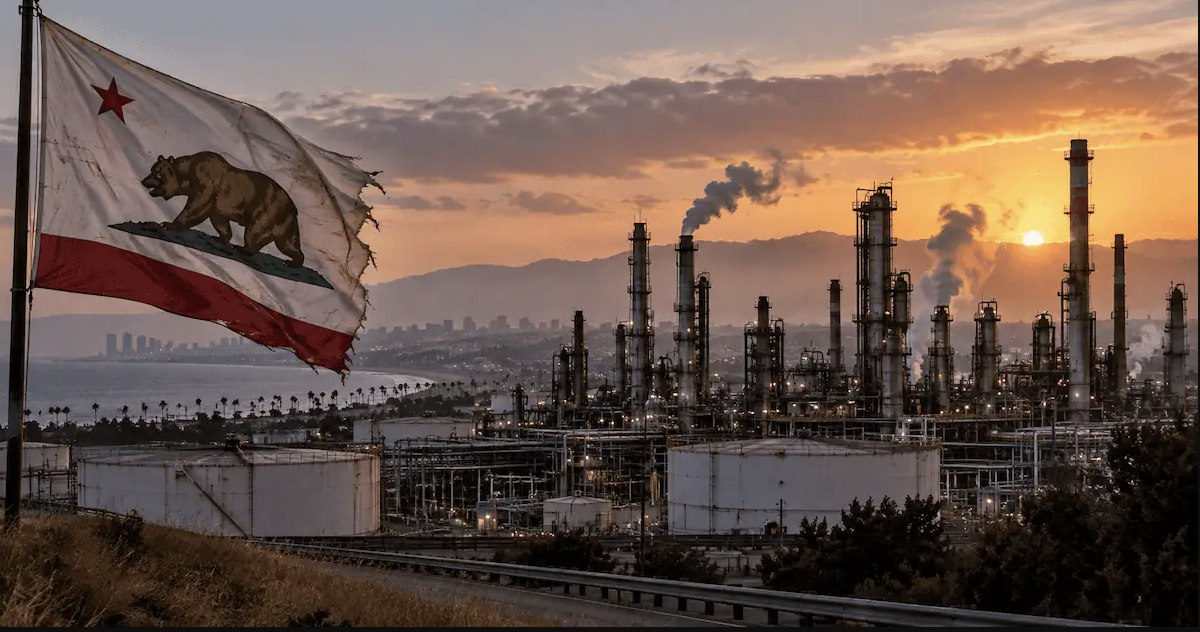
Despite what out-of-state friends and family have said for years, California won’t fall into the Pacific Ocean. But if its policymakers and legislators continue down a path of carbon-isolation uber-allies, California may continue to alienate itself from the rest of the world, sinking economically as an energy island, isolated from the rest of the continental…
-
Unlocking America’s nuclear gold mine: The promise of spent fuel
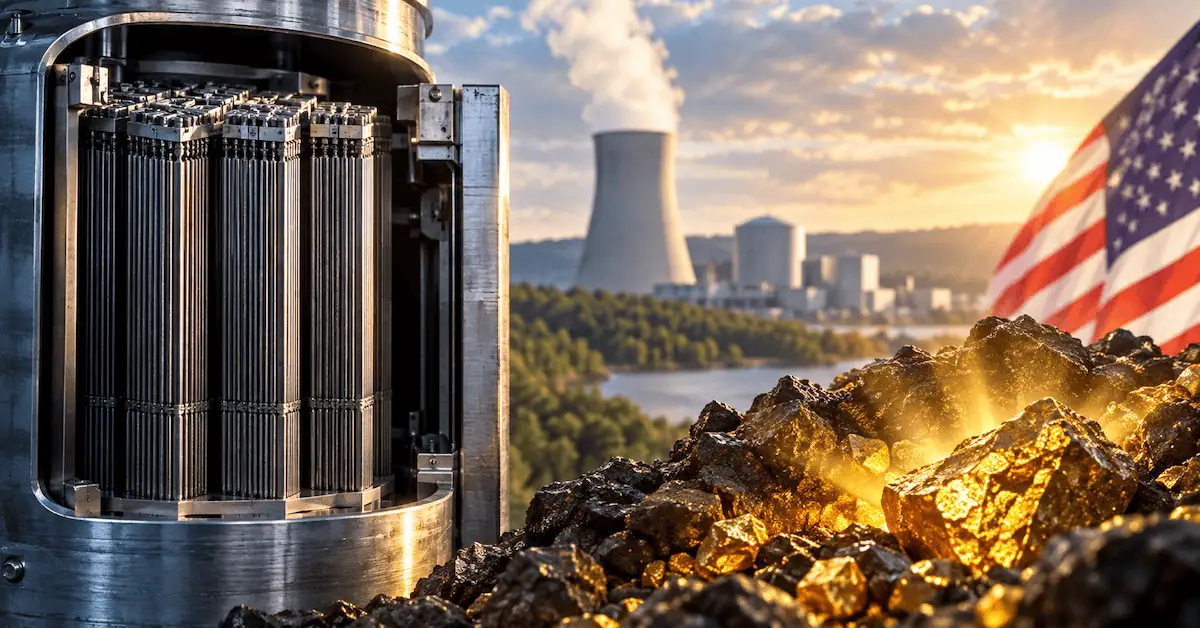
The recent shift in the national conversation around nuclear-generated electricity is encouraging. After decades of political hesitation, federal and state leaders are once again speaking positively about nuclear power’s role in delivering reliable, abundant electricity. That change in tone matters. However, favorable rhetoric alone will not solve one of the industry’s most persistent challenges: what…
-
The 6,000 reasons the world can’t simply quit oil
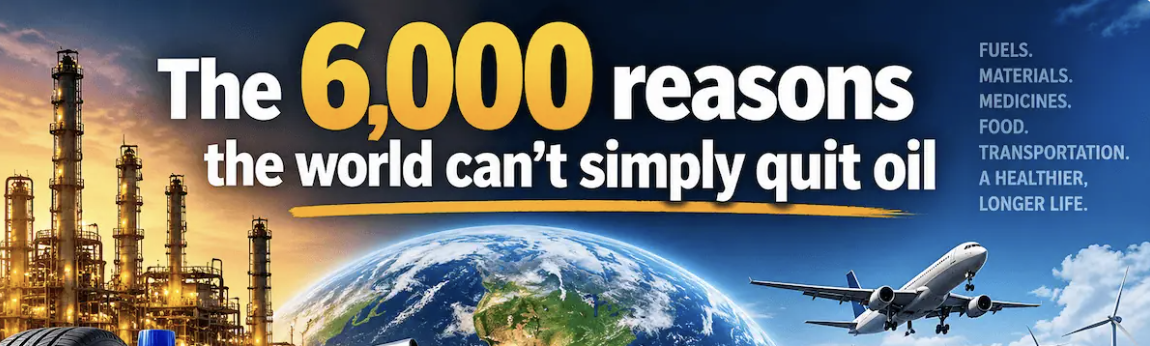
Social media, smartphones, computers, and the many electronic devices that did not exist a century ago are being called “addictive.” A similar question is now being asked about the products made from crude oil that did not exist a few centuries ago: are we “addicted” to them, or is it simply our lifestyle choice not…
-
California is handing control of its fuel supply to foreign refineries
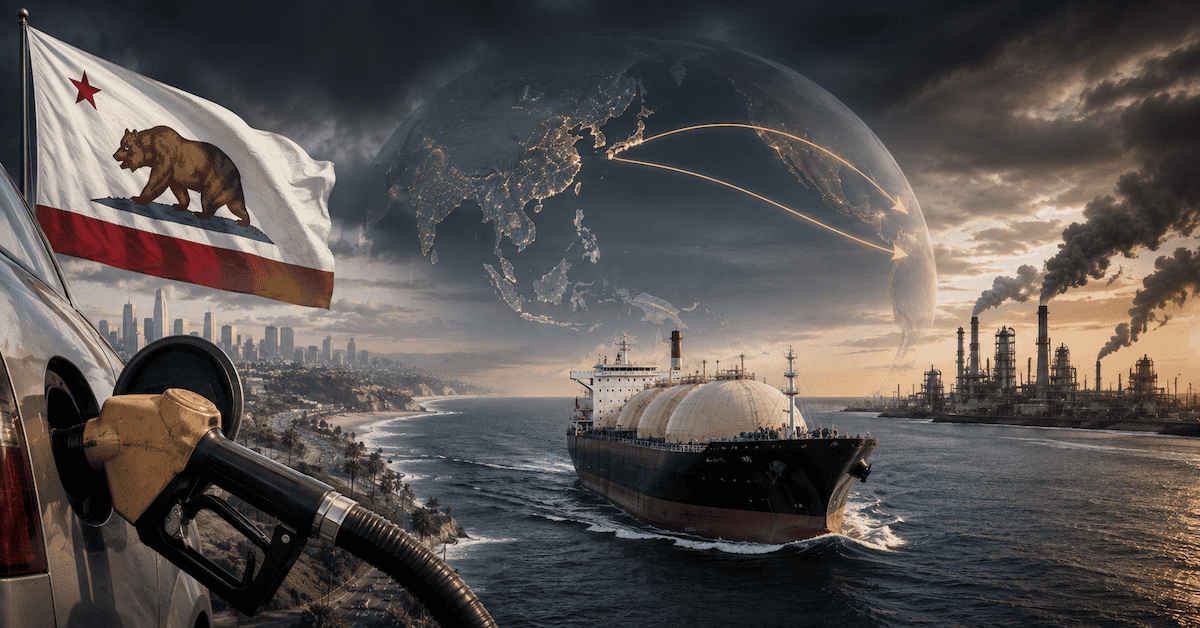
Because California’s transportation fuel market is isolated from the rest of the country, with no major transportation fuel pipelines from out of state over the majestic Sierra Mountain range, supply imbalances quickly translate into high retail prices at the pump. There is a pipeline that runs from the San Francisco Bay Area in Concord to…
-
California is running out of refineries—and running out of time
With no pipelines crossing the Sierra Nevada, California is an energy island, separated from the crude oil supplies and refinery infrastructure of the other continental states. As a result, the state’s transportation fuel needs—for airports, cars, trucks, and ships serving three of America’s busiest ports—must be met by in-state refineries. With the recent closures of…
-
Electricity policy is economic policy: The race for reliable power
lectricity policy, at its core, is economic policy. Nations that can produce abundant, reliable, and affordable electricity create the conditions for industrial growth, technological leadership, higher wages, and rising living standards. Those that fail to do so eventually discover that electricity shortages are a direct threat to national prosperity. The world is at a pivotal…
-
The coming fuel crisis: What Ukraine and California have in common
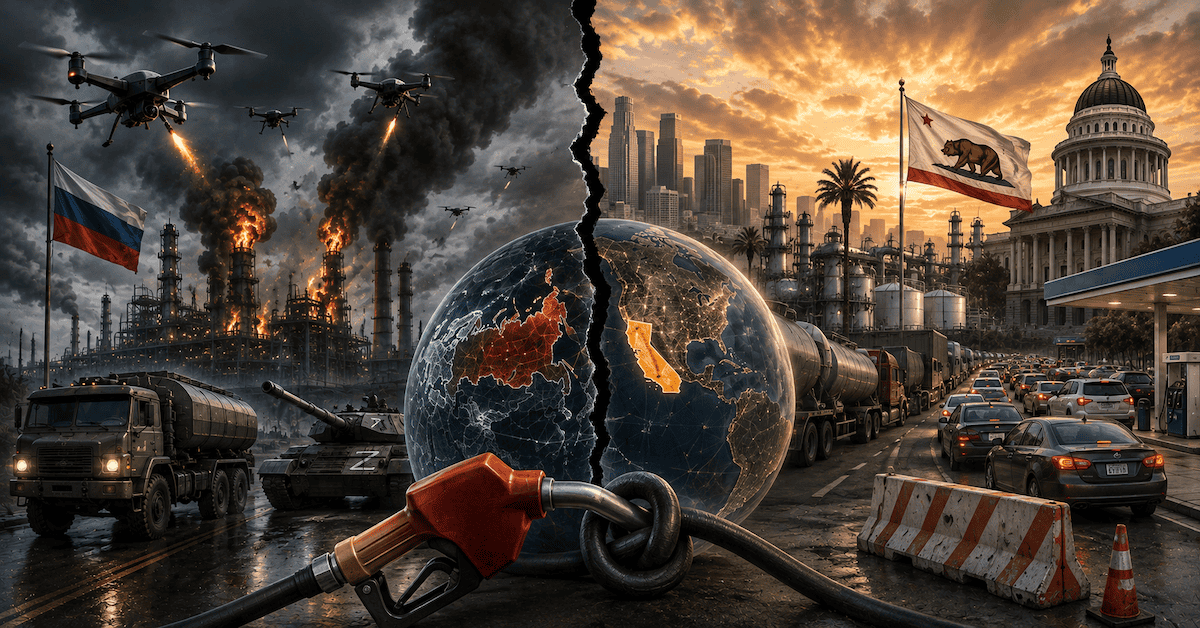
orldwide economies run on continuous and uninterruptible electricity and transportation fuels like the following: Jet fuel for the military and international airports, diesel fuel for trucks and construction equipment, different grades of gasoline for vehicles, and bunker fuel for all the ships arriving and departing from Ports. Ukraine and California are using proven ways to…
-
America is watching the world’s movement to nuclear power generation
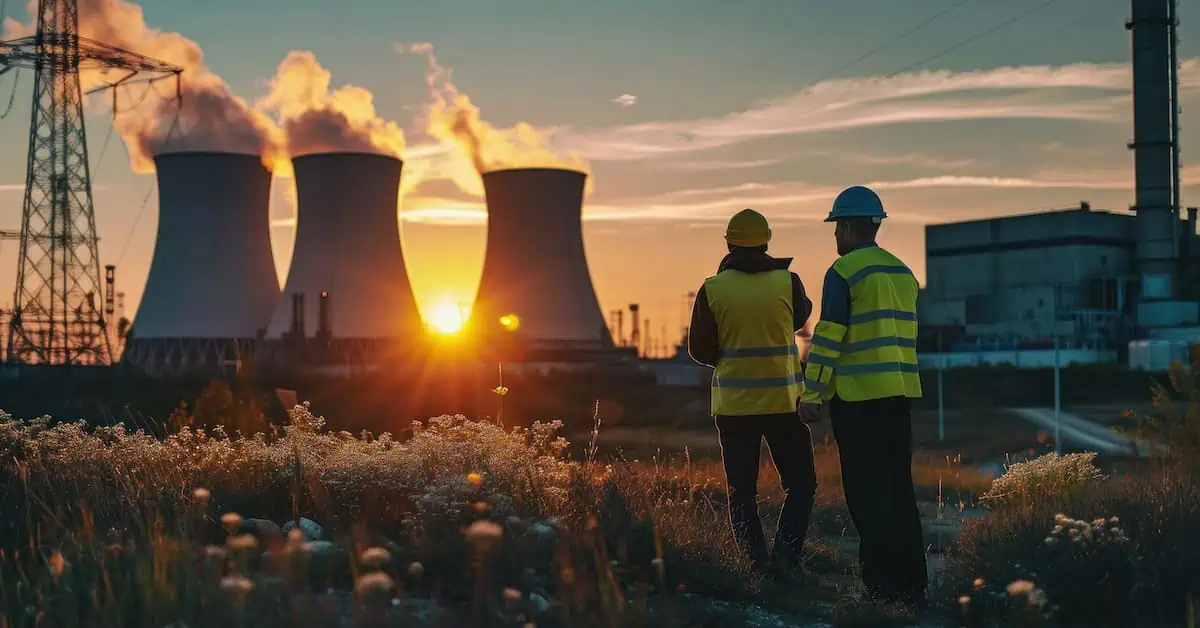
ost California politicians have hated the zero-emissions electricity generated by nuclear power since 1976, when they passed a moratorium on new nuclear power plants. Nuclear is the cleanest, safest, proven, least-emitting fuel of all, and yet most of California’s politicians hate it. Once, California had multiple operating nuclear power plants, including San Onofre, Diablo Canyon,…
-
The impending collapse of California’s transportation fuel infrastructure
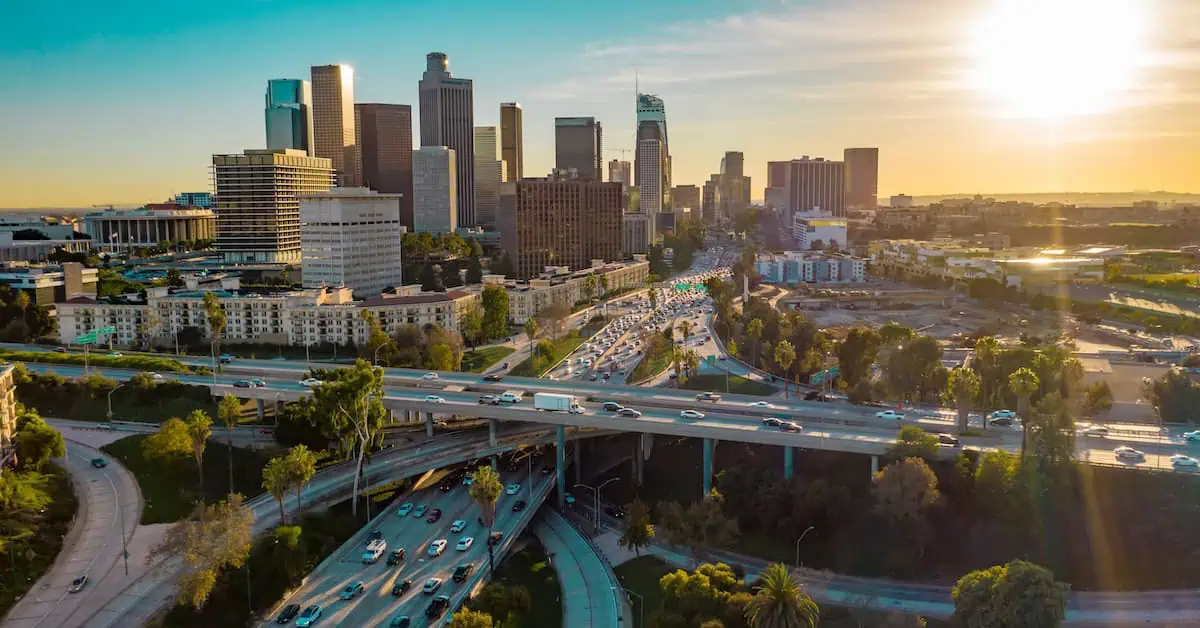
ith the loss of transportation fuel supplies from Asian refineries resulting from the Iranian War and California’s huge dependency, the 4th largest economy in the world is on the precipice of an unprecedented, self-inflicted logistical and national security catastrophe. Driven by adversarial state policies and aggressive litigation from activist groups, the state’s domestic refining capacity has…